Electric three-wheelers: a buying guide for drivers and fleets
, 1 min read
For an e-rickshaw or e-auto, daily earnings depend on range, payload, uptime and running cost. Here is what to check before you buy.
The article below is in English. The summary and Listen are in your language.
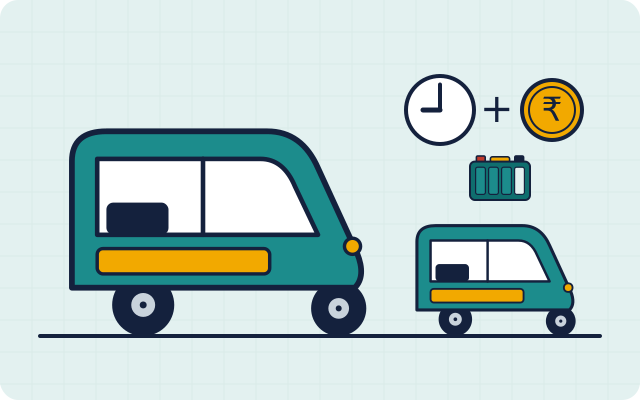
For a three-wheeler, the vehicle is a business tool, so buy on economics, not looks.
Range, payload and uptime
Match the real range to a full day's route with margin, check the payload for your passengers or goods, and think about charging or swapping so the vehicle is earning, not waiting. Downtime is lost income.
Running cost and support
Compare cost per kilometre against a CNG or petrol auto, and check the service network and spares nearby. A strong warranty on the battery protects your biggest cost.
Passenger e-autos (L5) and e-rickshaws differ in speed, battery and price. Our compare tool keeps three-wheelers in their own class so you compare like with like.
The right three-wheeler pays for itself: enough range for a full shift, low cost per km, and quick support when you need it.