Setting up home charging for a scooter or car
, 1 min read
A safe home charging point is simple but worth doing right. Here is what to look for.
The article below is in English. The summary and Listen are in your language.
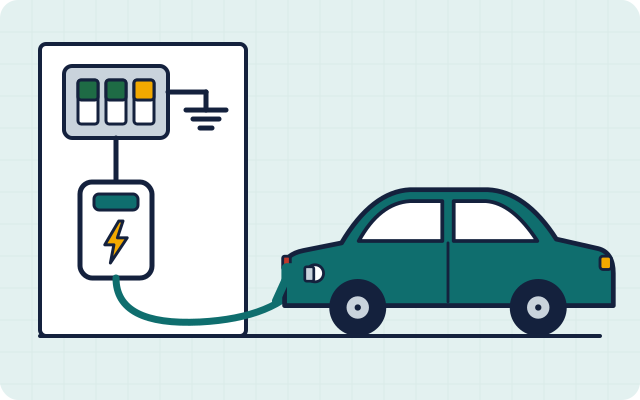
Charging at home is the cheapest and most convenient way to run an EV. A little care makes it safe.
A dedicated, earthed point
Use a proper earthed socket on a circuit that can carry the charger's load, ideally one not shared with heavy appliances. For a car's wall box, have a qualified electrician install a dedicated line with the right breaker and an earth-leakage device.
Cable and placement
Keep cables off the ground where they can be driven over or get wet, and charge in a dry, ventilated spot. Avoid long thin extension leads, which overheat.
A car wall box typically needs a dedicated circuit sized for 3.3 to 7.2 kW with a residual-current device (RCD/RCCB). Scooter chargers are lighter but still deserve a good earthed socket, not a loose multi-plug.
Done once, a safe home point pays back every single day in low-cost, worry-free charging.