Lithium-ion vs lead-acid: what every EV learner should know
, 1 min read
The two battery types differ in cost, weight, life and care. Here is how to compare them fairly.
The article below is in English. The summary and Listen are in your language.
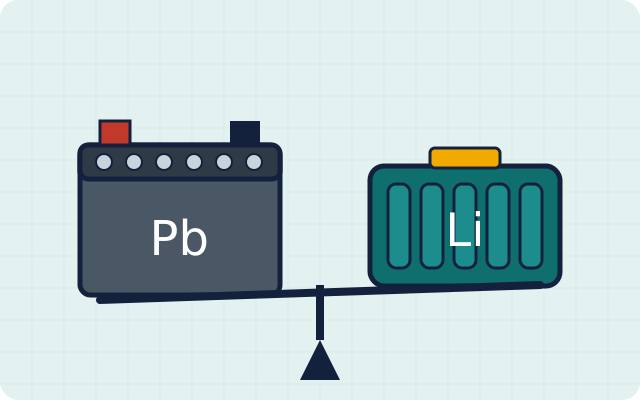
Most electric vehicles in India use either lead-acid or lithium-ion batteries. Knowing how they differ helps you advise customers and diagnose problems.
Upfront cost and cost per cycle
Lead-acid costs less to buy. Lithium-ion costs more at first but usually lasts many more charge cycles. The fair comparison is cost per cycle: price divided by the number of cycles the battery is expected to give in real use.
Weight and space
Lithium-ion stores more energy for its weight. A lighter pack means more payload or more range from the same vehicle.
Charging
Lithium-ion accepts charge faster. Lead-acid needs longer, fuller charges and suffers if left partly discharged for long periods.
Care and safety
Lead-acid needs watering for some types and good ventilation while charging. Lithium-ion needs a working BMS, the matching charger and protection from heat and physical damage.
Which is right?
It depends on daily use, budget and how long the vehicle will be kept. A battery that earns its cost back over its life is the better choice, whatever its price tag.